
Decorative Concrete
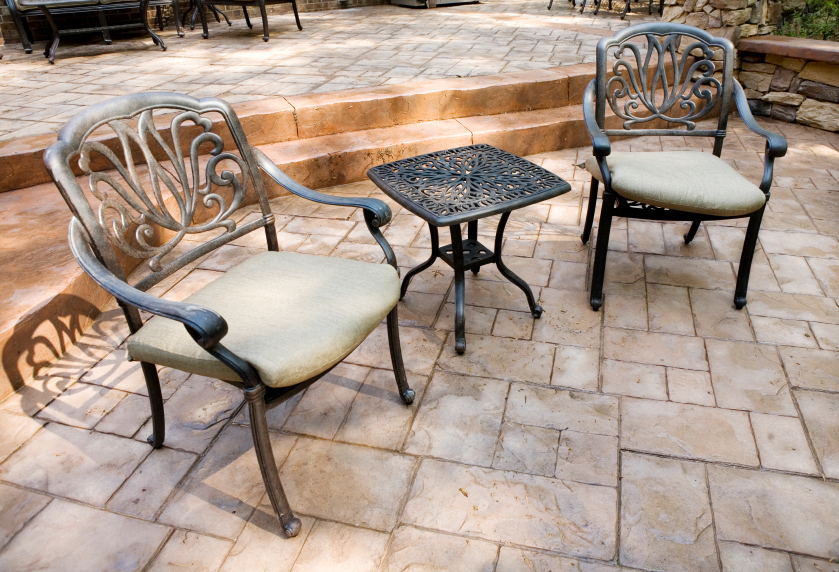 Decorative Concrete is the process of adding texture and color to concrete to make it resemble stone, brick, slate, cobblestone and many other products found in nature including wood, fossils, shells and many more. This limitless array of possibilities combined with great durability and lower cost than natural products makes Stamped and color Concrete an easy choice for new construction and renovation projects.
The installation consists of pressing molds into the concrete while the concrete is still in its plastic state. Color is achieved by using Dry Shakes or Color Hardeners, Powder or Liquid Releases, Integral Colors or Acid Stains. All these products may be combined to create even more intricate designs.
History:
Stamped Concrete has been around for about 60 of years, what it started in the late 50's as a novelty product grew steadily until the mid 70' when stamped concrete experienced a huge growth spurt as more architects, contractors and designers became aware of its benefits, lower costs and natural beauty. Stamped Concrete caused a major stir when it was introduced at the World of Concrete in the mid '70s and since 1978 Decorative Concrete has been one of the show's major attractions.Does Stamped Concrete Fade?
Cleaning and sealing stamped and colored concrete should be done on a regular basis just like any other home maintenance. The frequency will depend on how high a traffic area to cars, foot traffic, water, and any chemicals the concrete is exposed to.We recommend resealing every year or 2 years. If you wait longer, you may notice the color fade slightly. But just like waxing a car, reseal your stamped concrete and the color will be as vibrant as the day it was installed. If color fades, there are ways to renew it, but keeping it sealed is your best defense.
Is stamped concrete durable enough to withstand Chicago winter?
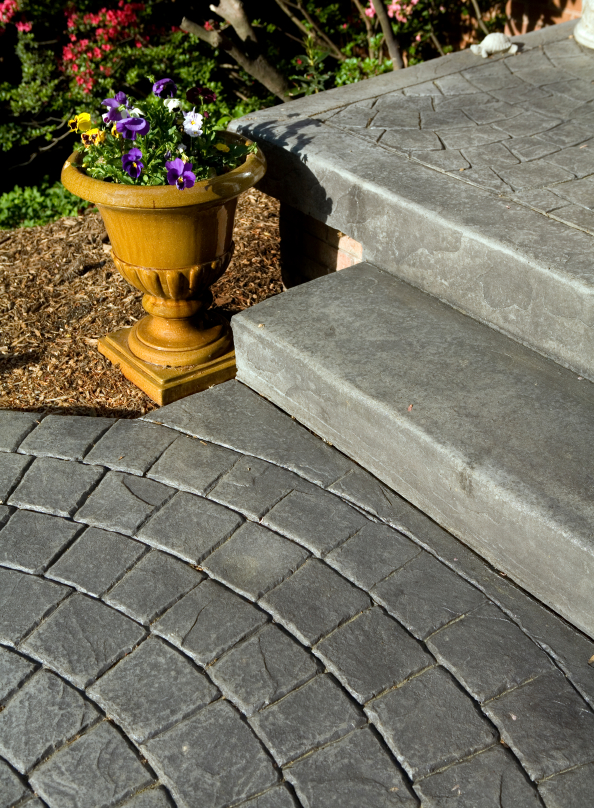 Installed by experienced craftsmen, stamped concrete is more durable and will last longer than any other type of masonry installation! Whereas traditional pavers and cobblestone settle unevenly during the freeze/thaw cycle of winter, stamped concrete is reinforced with wire mesh, right in the middle of the concrete. This reinforcement gives the concrete the necessary strength to resist the constant heaving produced by the freezing and thawing of the ground. Stamped concrete is also better than pavers and cobblestone in the Spring and Summer. Pavers and cobblestones are susceptible to joint deterioration if sand is not constantly brushed into all the joints. This joint deterioration results in ant hills, growth of unsightly grass and weeds and produces dangerous tripping hazards when the individual pavers settle unevenly. Stamped concrete is one monolithic placement of concrete eliminating full depth joints thus no ant hills or weeds to worry about! Salt eats ALL types of masonry installations including concrete. During the winter, use sand only.


|

|

|

|

|

|